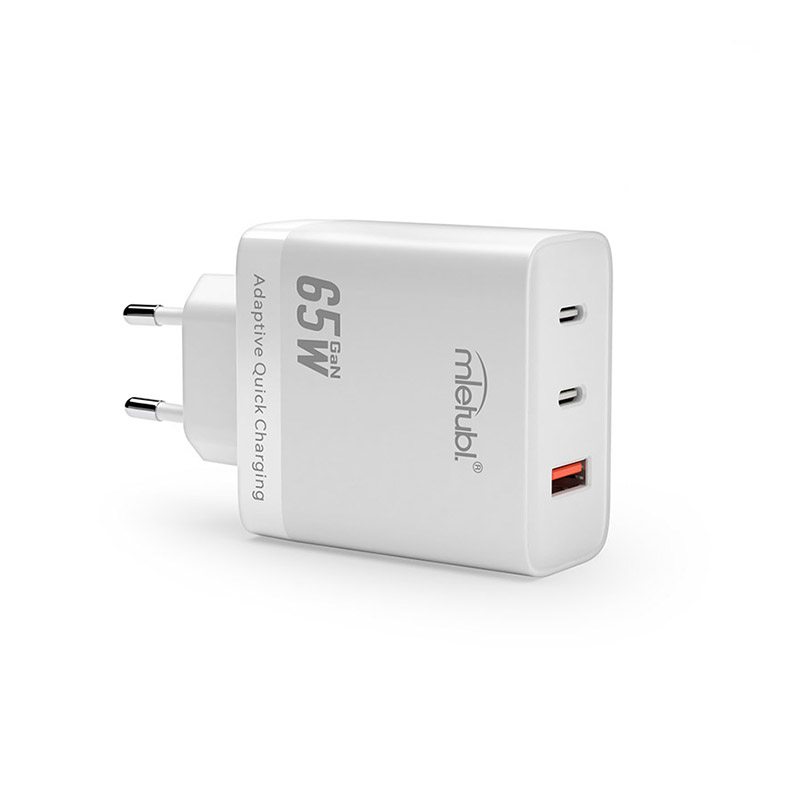
At Apple’s September 10 event, most of the headlines revolved around cameras and chips. Yet a quieter update may prove even more important in daily use: the iPhone 17 lineup now pairs with a new 40W Dynamic Power Adapter (up to 60W max) and, according to developer documentation and industry reports, introduces support for AVS—Adjustable Voltage Supply. This next-generation fast-charging protocol promises steadier power delivery with less heat, and Apple’s own materials confirm both the new adapter and faster charging times.
What is AVS?
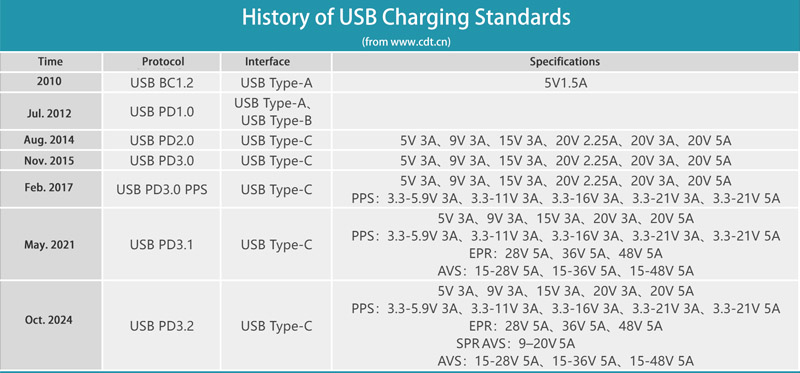
AVS (Adjustable Voltage Supply) is a charging protocol within the USB Power Delivery (USB PD) standard. Earlier standards only offered fixed voltage steps—5V, 9V, 15V, 20V—leaving the device to convert excess voltage internally. AVS changes that by allowing the device to request a more precise voltage from the charger.
Compared with traditional fixed-voltage protocols, AVS offers several key advantages. Because the charger can deliver a voltage much closer to the device’s actual requirements, less conversion is needed inside the phone. That means charging generates less heat, keeping the device cooler to the touch and protecting sensitive internal components.
AVS also improves efficiency. With less power wasted as heat, more of the electricity drawn from the wall goes directly into the battery. The result is not only faster charging but also smarter energy use.
Why Apple Made the Switch
Until now, iPhones have relied on fixed-voltage PD combined with in-phone step-down—a simple approach that unfortunately creates extra heat. Meanwhile, many Android manufacturers adopted PPS (Programmable Power Supply), which also adjusts voltage dynamically but is optimized for direct battery charging and constantly fine-tunes output as the battery fills.
AVS and PPS share the same ambition—better matching supply to demand—but they operate differently. AVS provides a stable system-level power rail under the PD umbrella, while PPS continuously modulates voltage and current at the battery level. For Apple, AVS offers a cleaner, more consistent experience across devices, chargers, and cables, especially as USB PD 3.2 becomes the new standard.
What This Means for iPhone 17 Owners
Cooler charging you can feel
By moving more of the voltage regulation out to the adapter, the phone generates less heat during fast charging. This means fewer thermal slowdowns and a more comfortable grip, especially during the mid-charge phase when higher power is sustained.
Smoother, steadier speed
With voltage more closely matched to its needs, the iPhone 17 can hold higher power levels for longer instead of fluctuating, resulting in more predictable charge times in everyday use.
Better long-term battery health
Heat is a major factor in battery aging. By reducing in-device conversion and delivering steadier power, AVS supports healthier charging over time—helping batteries retain their capacity longer.
Openness and compatibility
Because AVS is part of the open USB-IF PD standard, it’s not tied to proprietary licensing. That encourages wider accessory support, greater compatibility, and more competitive pricing as chargers and cables with PD 3.2 / AVS certification become available.
The iPhone 17’s charging story isn’t just about “more watts.” With AVS under USB-PD and Apple’s new smarter adapter, users can expect cooler devices, steadier charging speeds, and longer-lasting batteries—benefits that will matter long after the excitement of launch day.