Batteries are everywhere—phones, laptops, electric cars—and keeping them safe is a big deal. That’s where overcharge protection comes in. It stops batteries from getting too much power after they’re full. But how does it work? Let’s break it down in a simple way.
What Happens When a Battery Overcharges?
Overcharging is when a battery keeps getting power even after it’s full. For example, a lithium battery (common in phones) is fully charged at about 4.2 volts. If the charger doesn’t stop, the voltage can climb higher, like to 4.5 volts or more. This can overheat the battery, shorten its life, or even cause it to swell or explode.
What’s the Point of Overcharge Protection?
Overcharge protection is like a smart guard. It watches the battery and stops the charging when it’s full, so no extra energy sneaks in. Imagine filling a cup with water—once it’s full, you turn off the faucet. That’s the idea.
How It Keeps Batteries Safe
Overcharge protection uses a mix of clever tech to do its job. Here’s how it works, step by step:
Watching the Voltage
A tiny sensor checks the battery’s voltage all the time.
When it gets close to “full” (like 4.2 volts), the system knows it’s almost time to stop.
Slowing Down the Power
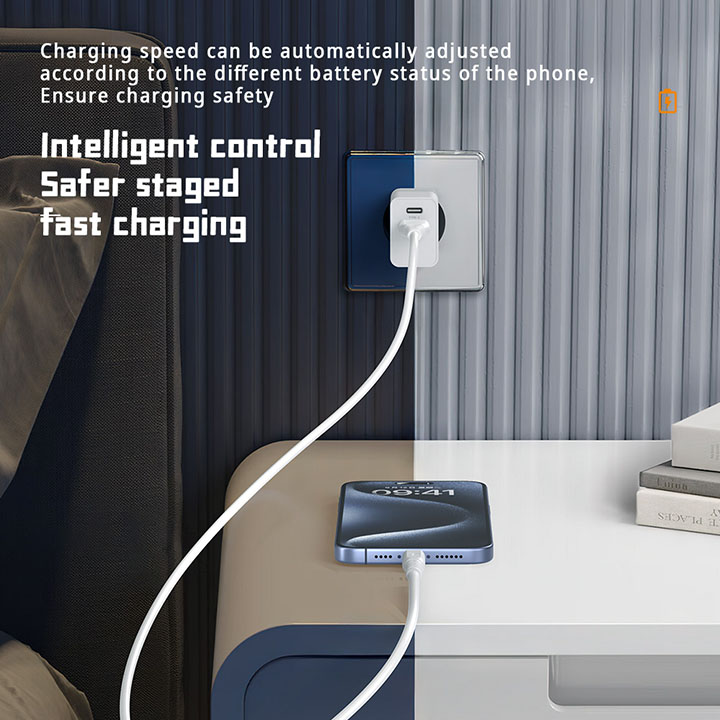
Charging happens in two steps:
Fast Charge: At first, when the battery’s low, it gets a steady flow of power.
Slow Charge: As it fills up, the charger keeps the voltage steady but cuts back the flow until it’s just a trickle.
It’s like blowing up a balloon—big puffs at first, then tiny ones to finish safely.
Shutting Off Completely
When the battery’s full and the power flow is super low, a switch (like a tiny gate) turns off the charger.
A special chip tells the switch when to close, stopping everything.
Extra Smarts
Some devices have a “battery manager” (called a BMS) that watches voltage, temperature, and more.
If things get too hot or weird, it stops charging early to keep things safe.
Why Do We Need Overcharge Protection?
Not all chargers are perfect. Cheap ones might not stop on their own, or old batteries might act funny. Overcharge protection is like a backup plan—it makes sure nothing goes wrong, no matter what. When your phone says “100%,” it might still get a tiny bit of power to stay full. But if something’s off—like the voltage spiking—the protection kicks in and stops the charger right away.
Overcharge protection is a smart system that watches, adjusts, and stops charging to keep batteries safe and lasting longer. It’s why you can plug in your phone overnight without worry. Cool, right?